Fifa’s commercial rights plan proposes more tournaments and debt, omitting women’s football

Fifa’s financial growth strategy
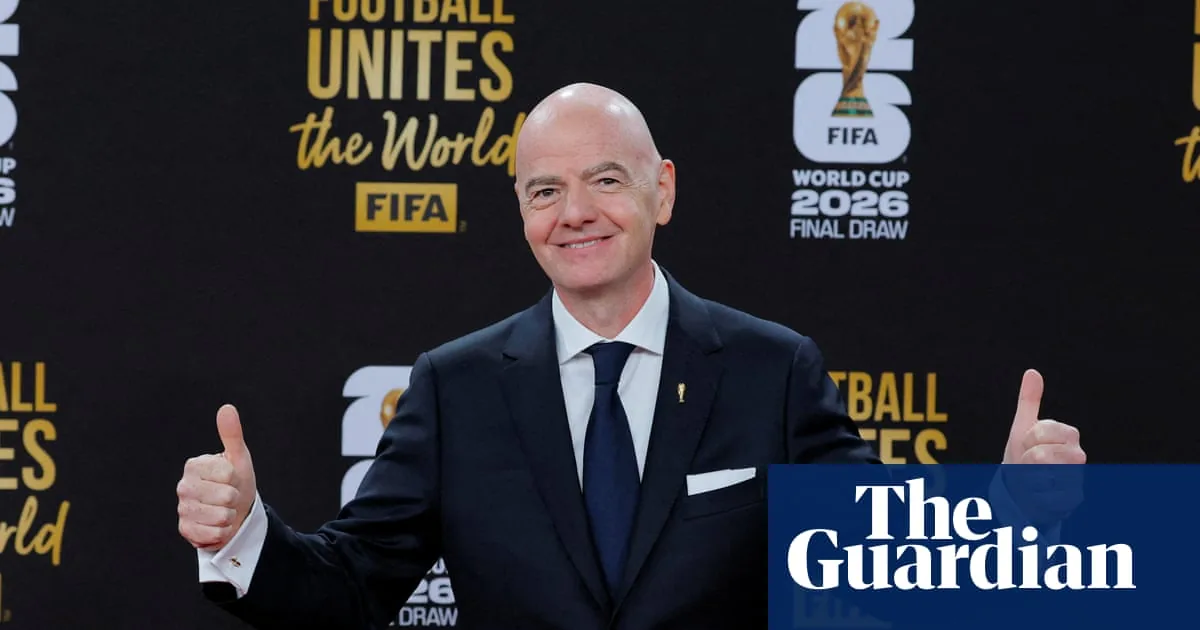
Fifa has outlined a strategy for financial growth that includes staging more tournaments, increasing ticket prices, and utilising debt financing. A 25-page document, titled “Fifa Forward Enterprise Member Materials”, details plans for a new company to manage Fifa’s commercial operations. A 20% stake in this new entity is proposed for sale to Joshua Kushner, a US investor.
The prospectus, prepared by JP Morgan, suggests that the four-year Fifa Forward payments to member associations could rise to $24m for each member by the 2035-39 cycle. This growth is projected to come from an expanded tournament portfolio, third-party capital, debt financing, and a focus on high-yield partnerships and events. The document also mentions a potential increase in global tournaments held annually, from 200 to 450.
Casino Bonuses

100% up to £500 + 100 Free Spins
- Welcome Package up to £1,000
- 50 Free Spins on Your First Deposit

100% up to £1,000 + 150 Free Spins
- Up to £2,000 Across 3 Deposits
- 25 No-Deposit Free Spins
One way to boost revenue, as previously suggested by Gianni Infantino five years ago, would be to make the World Cup a biennial event. The bank’s proposal also refers to expanding and optimising media rights monetisation, which could involve selling TV coverage of major events like the World Cup to subscription channels or streamers.
Concerns and omissions
The document, distributed to all 211 member associations, has generated significant debate. One senior figure questioned why Fifa, with cash reserves of around $4bn and accumulated revenues of $15bn over the current four-year cycle, would need to incur debt. Another concern raised was the comparison of Fifa, a world governing body, with private, member-run leagues in terms of revenue figures.
JP Morgan claims Fifa is “undermonetized,” comparing its stated annual revenue of $3.6bn unfavourably with figures from leagues like the NFL ($21.2bn), Major League Baseball ($13.1bn), and the NBA ($12.5bn). However, critics highlight that these comparisons are with club or franchise earnings, not with other comparable governing bodies.
A notable omission in the 25-page document is any mention of women’s football. Despite Infantino stating that the proposals would help provide funding for women’s football, the sales pitch itself does not include it.
Timeline and reactions
The proposed timeline for the deal indicates that investors will gain access to a term sheet and select materials in August. Following this, investors are expected to indicate their investment amount and confirm terms in September. Commitment letters are then anticipated to be submitted, long-form agreements agreed upon, and tender allocations made in October, with funds potentially transferred to Fifa by the end of October.
The plan has drawn strong reactions from various football bodies. Uefa, European football’s governing body, held an emergency meeting to discuss its response, having previously stated that Fifa had “crossed a line.” Uefa also criticised Fifa‘s deadline for associations to support the proposals or risk losing a one-off payout offer of $20m.
Many Fifa members, including the Football Association, expressed anger at learning about the proposal to sell a 20% stake in Fifa competitions to private finance through the media. David Bernstein, a former chairman of both the FA and Manchester City, suggested that England should consider withdrawing from the World Cup if Infantino‘s proposals are implemented.
The World Leagues organisation, chaired by Premier League chief executive Richard Masters, believes Fifa is exceeding its mandate. It argued that Fifa’s responsibilities extend beyond the commercial success of its own competitions and highlighted a potential conflict of interest between Fifa’s role as a regulator and a commercial organiser. The organisation has asked Fifa to withdraw its project and called for a fundamental change in its decision-making processes.
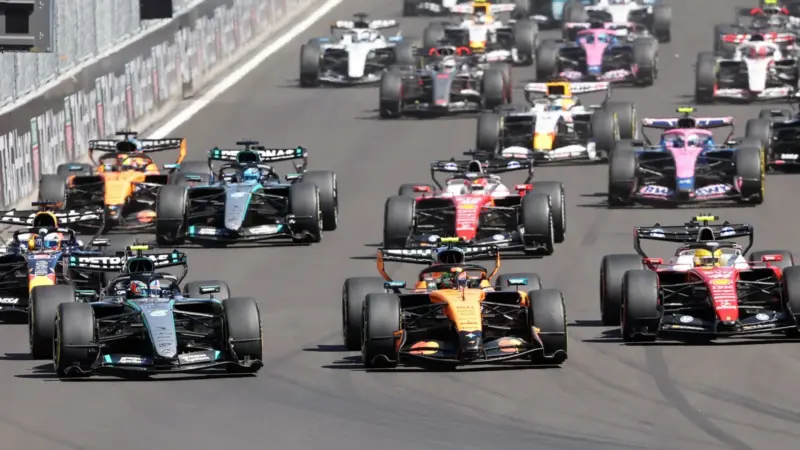
Infantino defended the plans in a video released by Fifa, describing them as “an offer, not an obligation” and a “golden opportunity to turbocharge the development of the game globally.” He pointed to the expansion of the World Cup to 48 teams and the qualification of nations like Cape Verde, Curacao, Jordan, and Uzbekistan as examples of positive outcomes from Fifa‘s work. Fifa also cited organisations such as Formula 1, La Liga, Ligue 1, and the Bundesliga as examples of entities that use dedicated commercial operations.
Despite Infantino‘s defence, the proposals have been met with widespread condemnation. The European Leagues organisation called them a “reckless and divisive development for world football,” asserting that the World Cup should not be for sale. The global players’ union Fifpro expressed deep concern over the proposal to transform World Cup and other Fifa competitions into investable assets for private capital, noting that such a move would fundamentally reshape the incentives underpinning the competitions and was developed largely behind closed doors. La Liga president Javier Tebas accused Infantino of attempting to buy votes before the next Fifa congress in March.
Hans-Joachim Watzke, vice-president of the German Football Association (DFB) and president of Borussia Dortmund, described Fifa‘s plans as an “absolute attack on football,” stating that a line had been crossed. The document was sent to all 211 member associations on Wednesday night.
Source: theguardian.com

As News GB's Senior Football Correspondent, Lewis Hartnell reports on the Premier League, the EFL and the England national side for readers across the country. He reported on south-coast football for a regional title. He holds a degree in Sports Journalism from Solent University and completed an NCTJ diploma. Lewis lives in Southampton, where he watches youth football and follows the transfer market. “The week's training ground decides the weekend's headlines.”